
Nowogrodzka Street in Warsaw – history, famous places and curiosities
Nowogrodzka Street is one of those Warsaw streets that do not immediately catch your eye, but have something magnetic about them. Come take a walk with us and discover this part of Warsaw.
Nowogrodzka Street is located in the heart of Warsaw's Śródmieście district and runs parallel to Jerusalem Avenue, connecting Zawisza Square with Krucza Street. Although mainly associated with offices, trendy restaurants, and the proximity of the Central Railway Station and the Palace of Culture, it conceals much more – a rich history, architectural gems, and urban legends.
From a 17th-century manor to the present
Nowogrodzka and its history
The street name comes from the Nowogród manor that existed in the 17th century, located on the then outskirts of Warsaw. The street itself began to gain significance in the 19th century, when the city was rapidly expanding. Elegant tenement houses, commercial buildings, as well as small craft workshops were established here. In the interwar period, Nowogrodzka Street was full of life. Representatives of the intelligentsia and the middle class lived in its tenement houses.
Destruction and rebuilding of Downtown
War and post-war changes
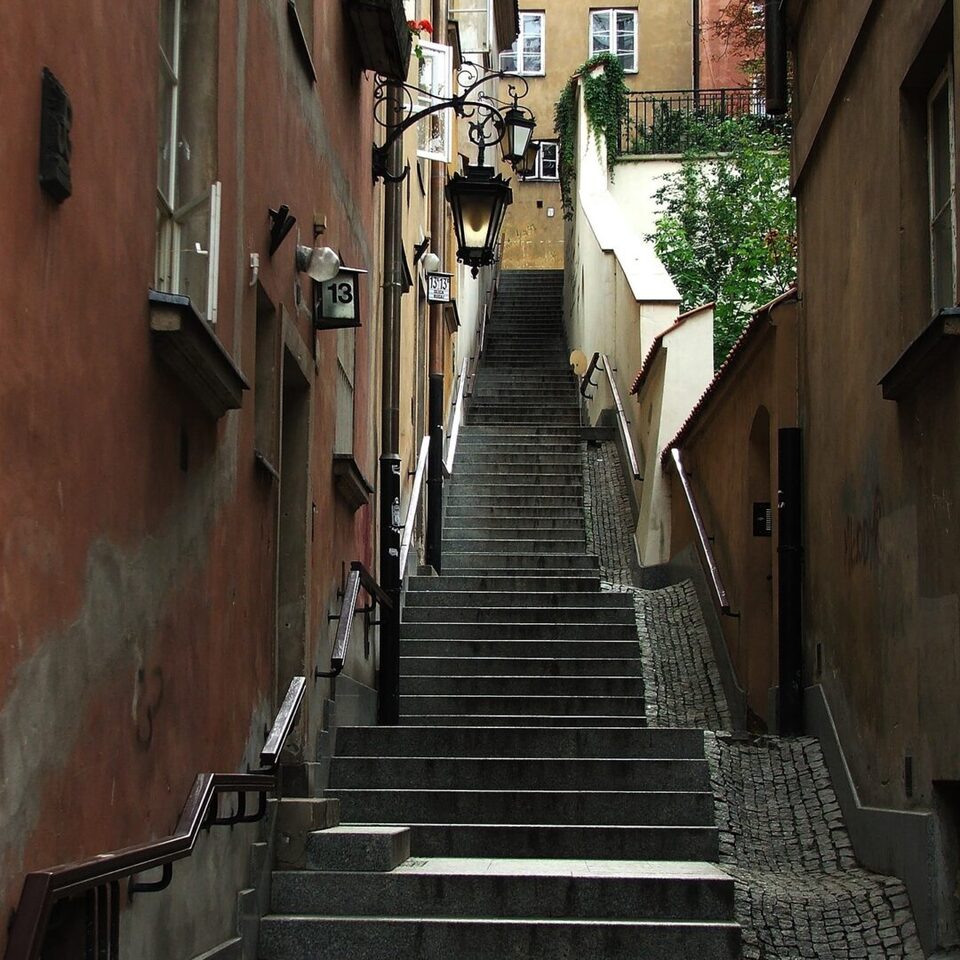
However, World War II brought destruction – many buildings were reduced to rubble during the Warsaw Uprising and subsequent fights for Śródmieście. Some pre-war buildings survived, while others were rebuilt or modernized during the PRL era. Today, Nowogrodzka is a street with a mixed character – you can find both pre-war tenement houses with soul and modern office buildings. It is a place that is still changing but retains its unique atmosphere.
Nowogrodzka – known places and addresses
Among the most interesting points on Nowogrodzka, it is worth mentioning:
- St. Barbara's Church at 51 Nowogrodzka Street – one of the few churches in the center that survived the war with minimal damage. Its origins date back to the late 19th century.
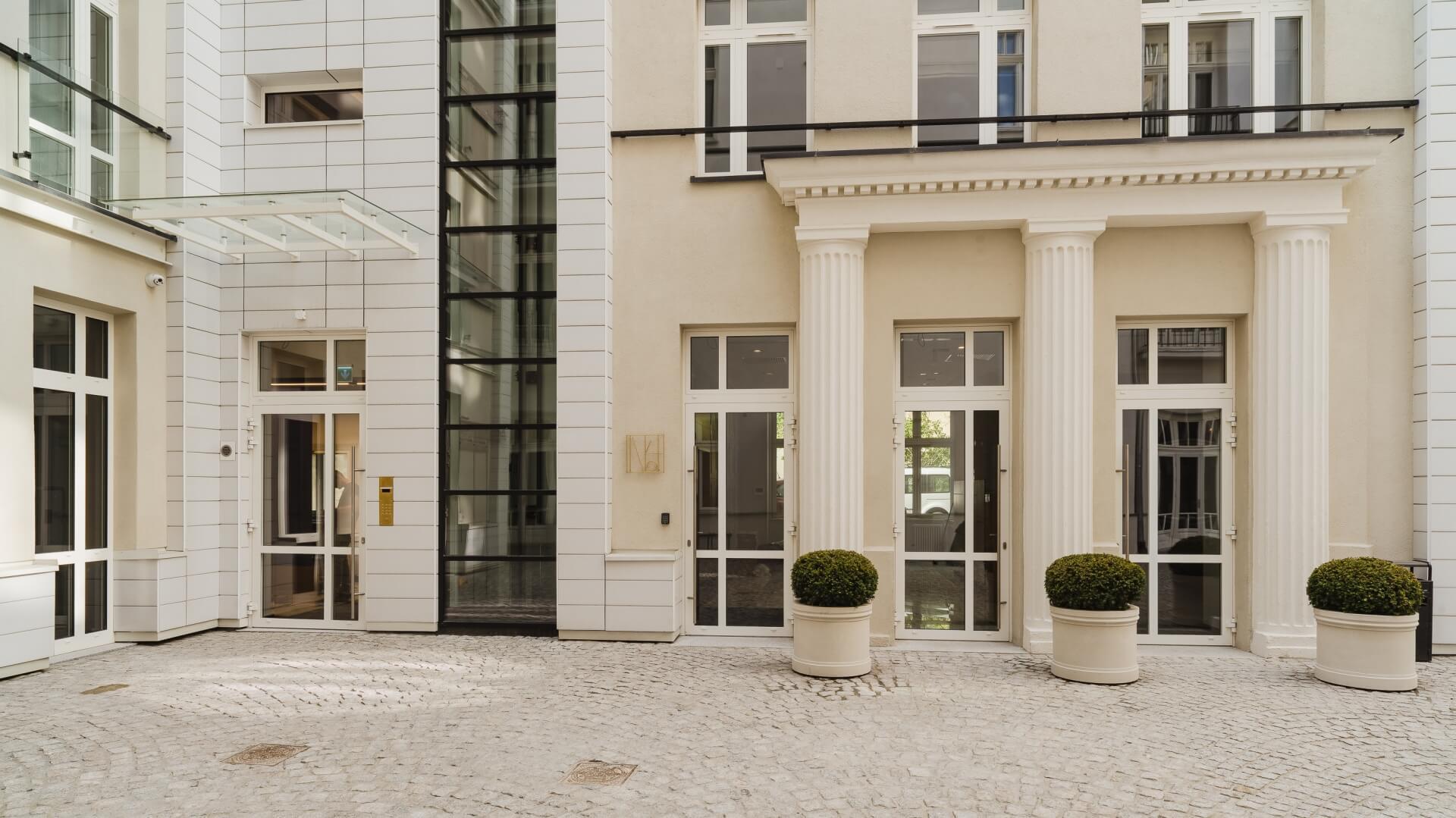
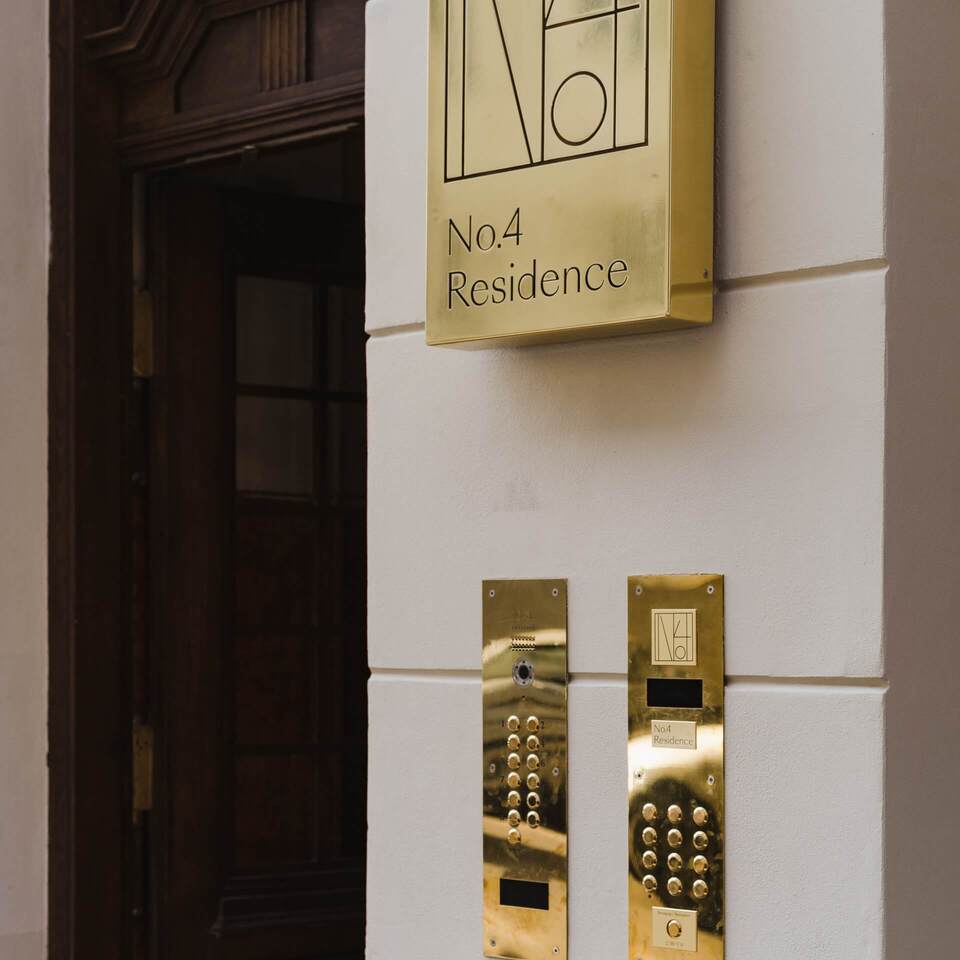
- No.4 Residence at 4a Nowogrodzka Street – an example of successful revitalization of a Warsaw tenement with a view of the Palace of Culture and Science. Today it houses intimate apartments in the center of Warsaw.
- Headquarters of institutions and companies – at various times Nowogrodzka Street hosted newspaper editorial offices (including "Gazeta Wyborcza"), advertising agencies, design offices, and law firms.
- Culture and gastronomy – the area once had the popular music venue "Pardon, To Tu," and today there are many well-known restaurants and bars, especially in the area between Marszałkowska Street and Krucza Street.
Curiosities and lesser-known facts
- At number 15, there is a townhouse on which fragments of pre-war architectural details can still be seen today.
- In the 1950s and 1960s, the street was one of the main bus and trolleybus routes.
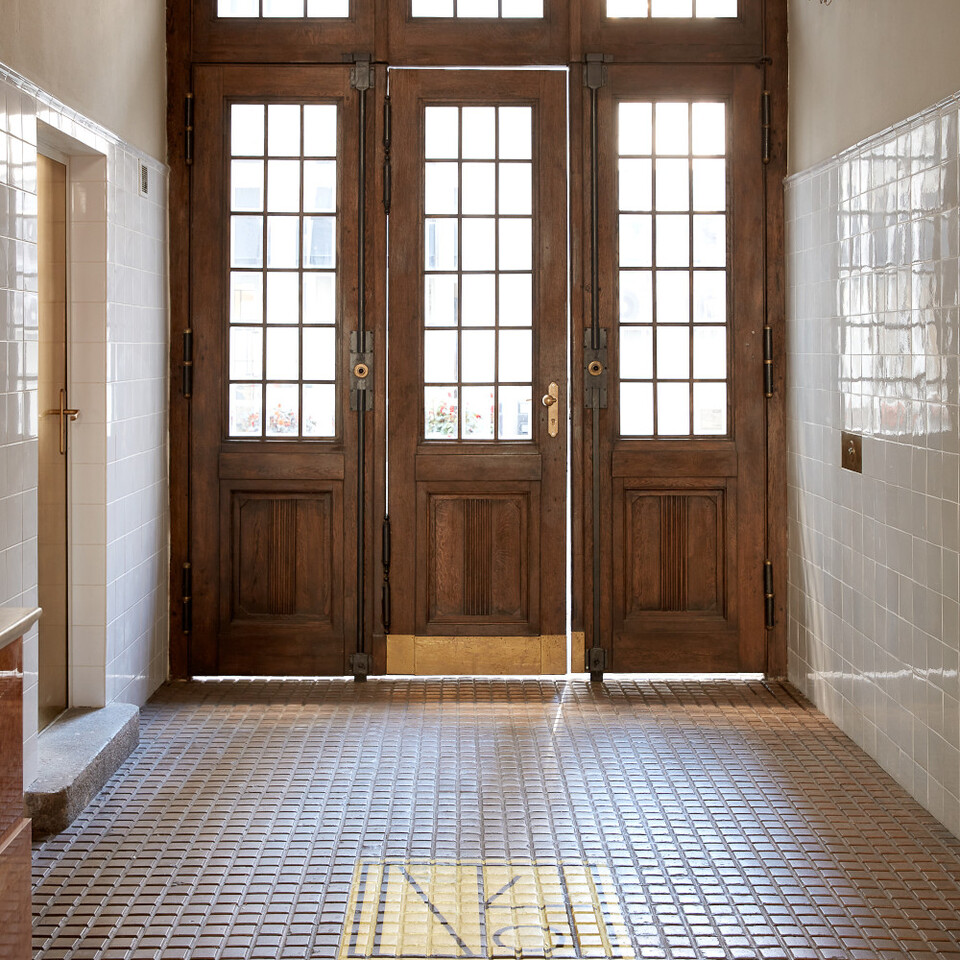
- In some staircases, original Art Nouveau railings, elevators, and ceramic floors have been preserved.
The past meets the present
Nowogrodzka in Warsaw today
Nowogrodzka is today a place where the past meets the present. Office workers pass by tourists looking for good coffee, and residents appreciate the proximity to transportation and service points. Walking down this street, you can come across interesting murals, niche art galleries, and well-kept courtyards with character. There is also no shortage of soulful places – restaurants serving cuisine from various parts of the world and cafes with local pastries.
Authentic Warsaw without hurry
The discreet charm of Downtown
Although Nowogrodzka is not as famous as Nowy Świat or Marszałkowska, it is its discreet charm that attracts those who want to feel the authentic city center – without rush, in the rhythm of everyday life in Warsaw.
Summary
Nowogrodzka Street is not only a convenient location in the city center. It is also a history inscribed in the walls of tenement houses, a culture developing in the vicinity of offices and restaurants, and a place worth discovering on your own terms. Whether you are just passing through or staying longer – let yourself be guided by its rhythm. Maybe with a cup of coffee in hand and a camera ready to capture more than just the view of the Palace of Culture.